Childhood Myopia on the Rise as Screen Time Soars: Doctor Flags Warning Signs, Suggests New Formula for Parents
Childhood myopia, or nearsightedness, is becoming one of the fastest-growing vision concerns worldwide. Eye specialists are now sounding the alarm as screen time among kids has soared post-pandemic, with remote learning, gaming, and streaming becoming daily habits. According to the World Health Organization, nearly 50% of the global population could be myopic by 2050 if current trends continue. The sharpest rise is being seen in children aged 6 to 12, the critical years for eye development.
Doctors at
AURA Eye Care say they’ve seen a 40% increase in pediatric myopia cases in the last three years alone. “We’re diagnosing myopia earlier and in more aggressive forms than before,” says
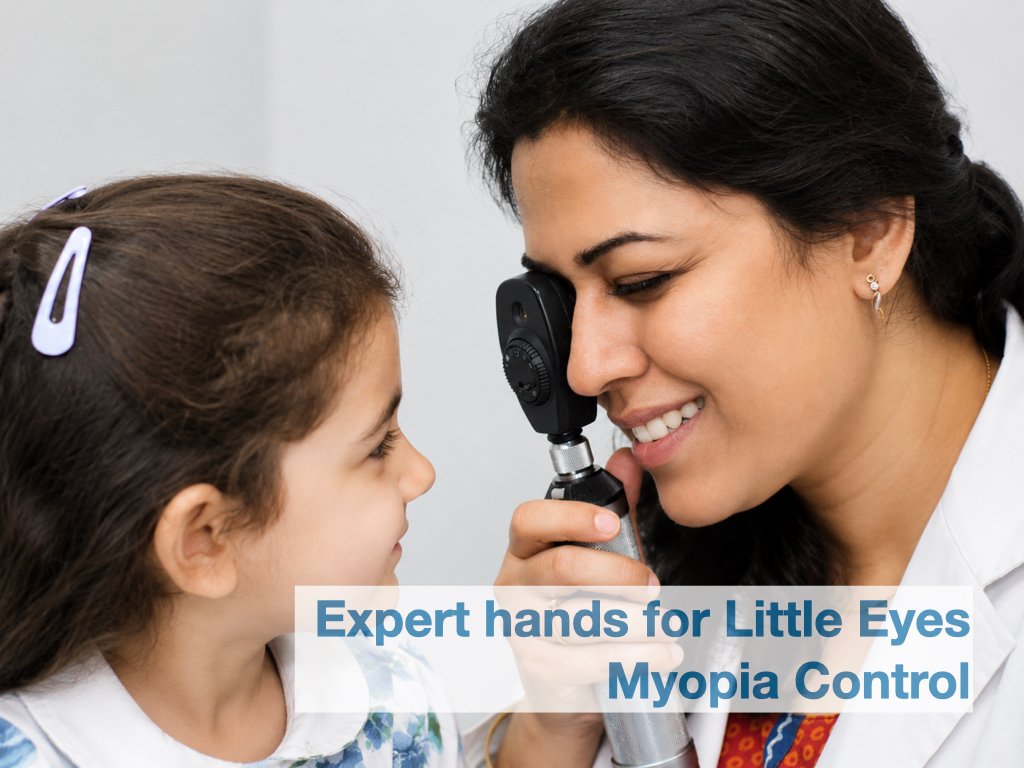
Dr. Rasheena Bansal, Senior Pediatric Ophthalmologist at
AURA Eye Care, Delhi. “The combination of reduced outdoor activity and prolonged near work on tablets, phones, and laptops is accelerating eye elongation in children. This is not just about needing glasses — high myopia in childhood raises the risk of retinal detachment, glaucoma, and macular degeneration later in life.
Myopia in Children Symptoms: What Parents Should Watch For
Myopia often develops silently, and children rarely complain because they assume blurry distance vision is normal. Dr. Rasheena Bansal flags these warning signs every parent should know:
– Squinting or partially closing eyes to see the board, TV, or distant objects
– Sitting too close to the TV, holding books/tablets very near the face
– Frequent eye rubbing or complaints of headaches, especially after school
– Declining school performance due to inability to see the whiteboard clearly
– Excessive blinking or tearing when focusing on distant objects
– Lack of interest in outdoor sports that require distance vision like cricket or badminton
Myopia in Child Treatment: New Options Beyond Glasses
The old approach of simply updating glasses every year is outdated.
Modern myopia in child treatment focuses on slowing progression, not just correcting vision. AURA Eye Care recommends a multi-step strategy:
1. Optical Interventions
2. Pharmacological Treatment
3. Behavioral & Environmental Changes
The AURA Eye Care Approach
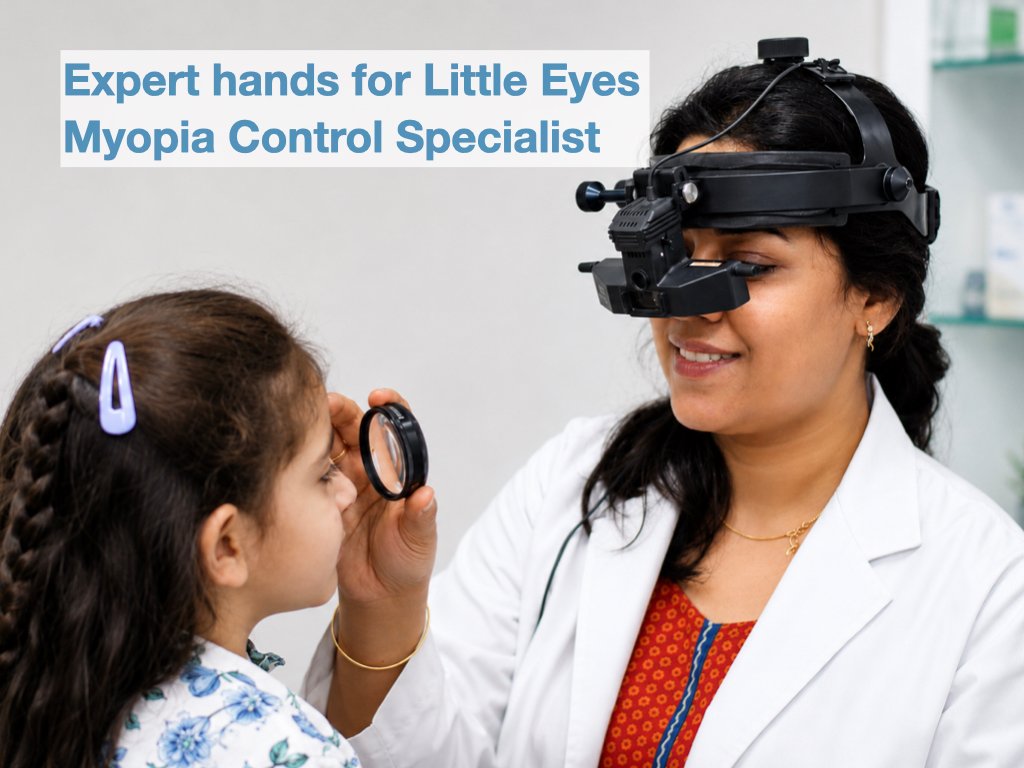
At AURA Eye Care, pediatric myopia management starts with advanced diagnostics like axial length measurement and corneal topography, not just a basic vision chart. “Tracking axial length tells us if the eyeball is elongating too fast, explains
Dr. Rasheena Bansal. “We can then personalize treatment — a 7-year-old with -3.00D and fast progression needs a different plan than a 12-year-old with -1.00D.
The centre also runs parent counseling sessions to build home routines. “Glasses or drops alone won’t work if the child is still on iPad 6 hours a day. Parent partnership is 50% of success in myopia in child treatment.
For Appointment Call:
📍 Vasant Kunj: +91 8130780790
📍 East of Kailash: +91 8920740099