Delhi Smog Is Burning Your Eyes: 5 Ways To Protect Them
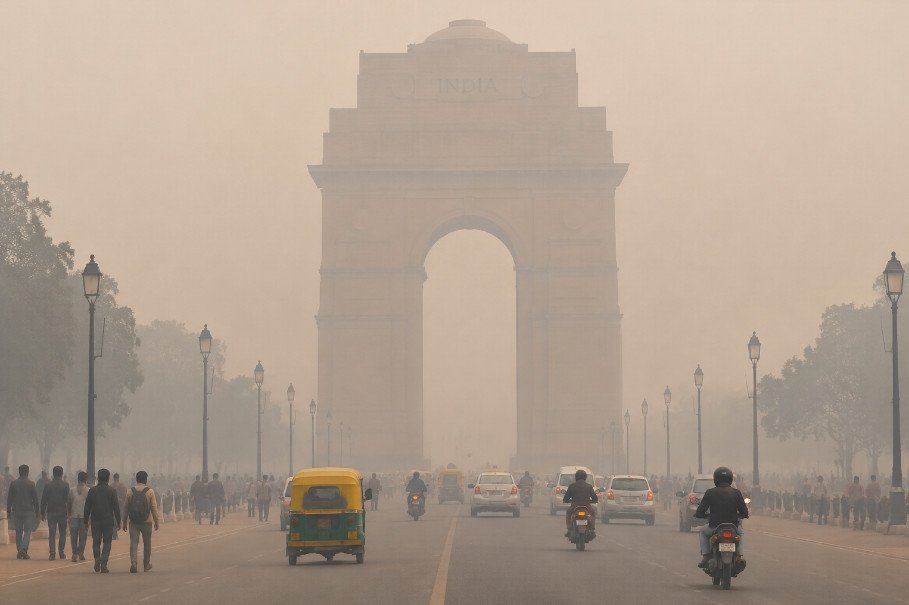
Every winter, a thick, hazardous blanket of smog descends upon Delhi NCR. While a lot of attention is naturally paid to respiratory issues, your eyes bear a heavy, direct brunt of this toxic air. Unlike your lungs, your eyes have no natural filter to protect them from environmental pollutants, leaving them fully exposed to heavy particulate matter (PM2.5), nitrogen dioxide, and chemical fumes.
According to leading ophthalmologists at
AURA Eye Care, Delhi typically sees a massive 50% to 60% surge in eye-related complaints during peak pollution weeks. Patients frequently report symptoms ranging from persistent burning, redness, and watery eyes to severe allergic conjunctivitis and dry eye syndrome.
If the toxic air is causing your eyes to sting and burn, here are 5 doctor-recommended ways to protect your vision.
1. Make Preservative-Free Lubricating Drops Your Best Friend
The toxic chemicals in smog disrupt your eye’s natural tear film, causing moisture to evaporate rapidly. This leaves the ocular surface dry, irritated, and highly prone to infections. Experts at
AURA Eye Care advise using premium, preservative-free lubricating eye drops 3 to 4 times a day. Think of these drops as a gentle, soothing car wash for your eyes—they dilute settled particulate matter, wash away airborne allergens, and restore essential moisture. Ensure you consult a specialist to get a prescription tailored to your needs rather than buying over-the-counter steroid drops.
2. Treat Glasses Like Essential Safety Gear
When the Air Quality Index (AQI) crosses hazardous thresholds, stepping out bare-eyed is an open invitation to chemical micro-particles. Wearing protective eyewear is your first line of defense. Switch to wide-frame spectacles or wraparound sunglasses whenever you commute. These do not just shield you from harmful UV rays; they act as a physical windbreak that blocks toxic smoke, dust, and moving smog from directly crashing into your eye surface.
3. Keep Your Hands Away and Stop Rubbing Your Eyes
When the smog causes a fierce, grittier itch, your immediate reflex is to rub your eyes. However, this does more harm than good. Rubbing grinds the sharp microscopic pollutants deeper into the delicate corneal tissue, causing micro-scratches and worsening inflammation. Furthermore, your hands carry secondary bacteria that can easily trigger an infection. If the burning becomes intolerable, resist the urge to rub. Instead, apply a clean, cool compress over closed eyelids to soothe the itching instantly.
4. Give Contact Lenses a Break on High-AQI Days
If you are a regular contact lens wearer, your eyes are exceptionally vulnerable during Delhi’s smog season. Toxic pollutants can get trapped underneath the lenses, binding the chemicals directly against your cornea. This leads to severe discomfort, prolonged dry eyes, and a heightened risk of corneal ulcers. On severe or poor air days, give your contact lenses a complete rest and stick to spectacles. If you absolutely must wear lenses, significantly reduce your wear time and switch to daily disposables.
5. Follow a Layered Routine of Indoor and Outdoor Eye Hygiene
Protecting your eyes requires a dedicated daily routine. Always check the local AQI before planning outdoor movements, and try to avoid early morning or late evening outdoor activities when pollution concentrates near the ground. Once you return home, wash your hands thoroughly, then gently rinse your face and eyelids with clean, cool water to remove any lingering toxic residue. Indoors, rely on a HEPA air purifier to keep your microenvironment clean, and stay well-hydrated to help your body maintain adequate tear production.